

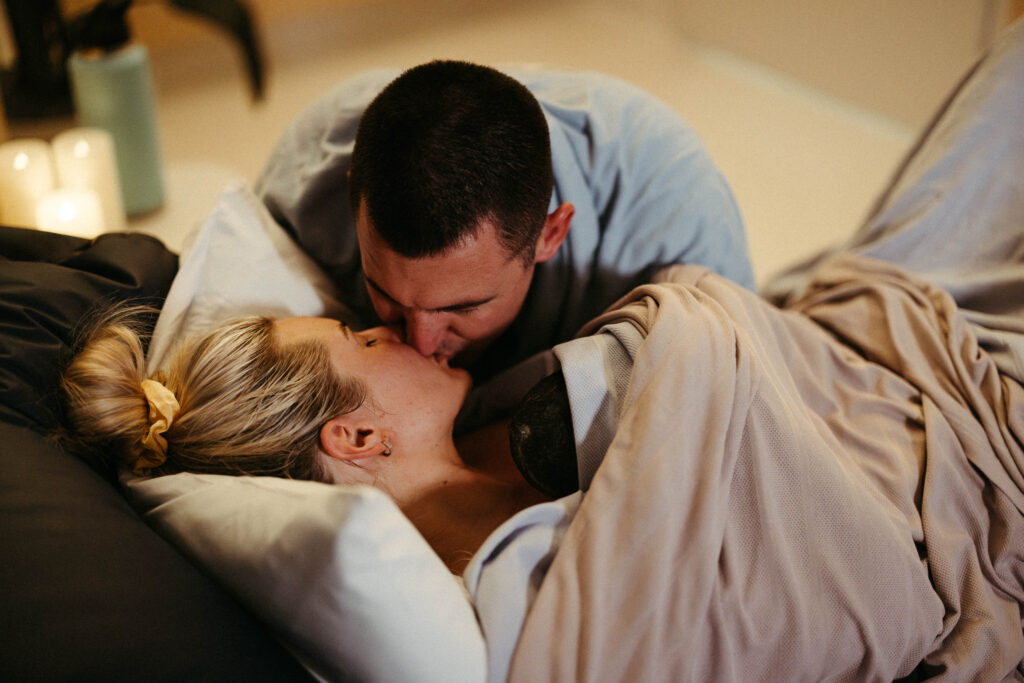
Birth photography captures still moments of strength, emotion, and connection. Birth videography adds another layer to that story. Together, photography and film create a more complete record of the birth experience.
Key Takeaways
- Birth videography captures parts of your birth story that photographs can’t. Movement, voices, reactions and the sounds surrounding your baby’s arrival can all be preserved on film.
- Birth photography and videography work beautifully together. Photography captures individual moments, while video adds movement and sound to create a more complete record of your birth experience.
- You may not remember every detail of your birth. Having a birth film allows you to revisit moments you missed or experienced differently while you were focused on labour.
- Professional birth videography is designed to be discreet. An experienced birth videographer knows how to document your story without making cameras the focus of your birth space.
- Your birth partner can remain present with you. Rather than asking your partner or family member to film important moments, professional videography allows them to experience the birth alongside you.
- A birth film can become more meaningful as your family grows. It gives you and your child a way to look back on the voices, emotions, connections and first moments surrounding their arrival.
Birth videography is not about creating a highlight reel or dramatic production. It is about capturing movement, sound, and rhythm in a way that photographs alone cannot.

The power of movement
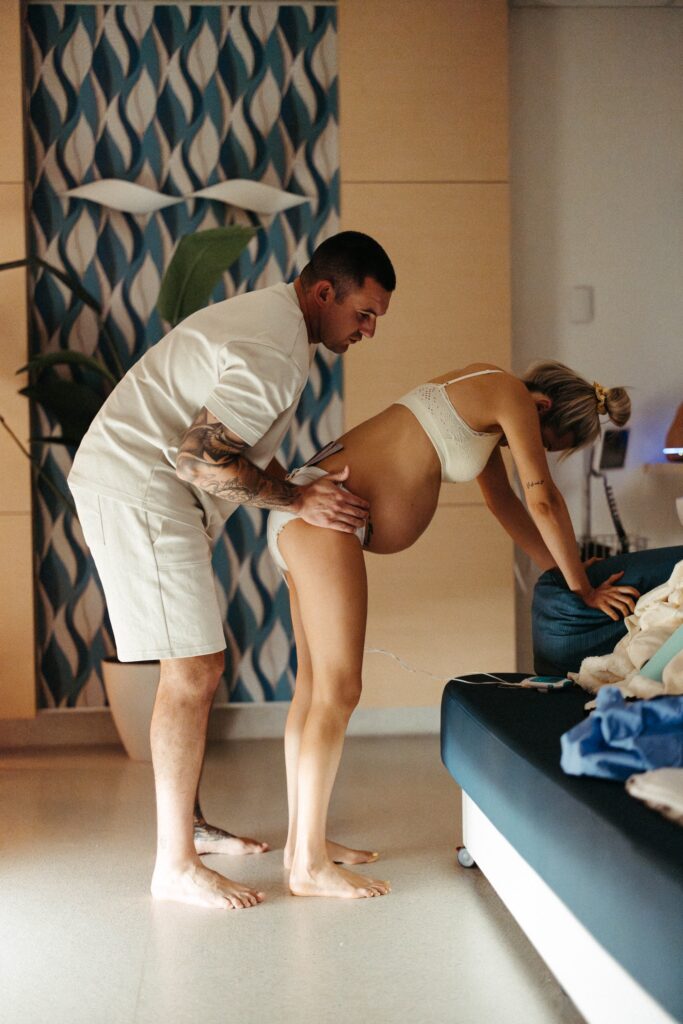
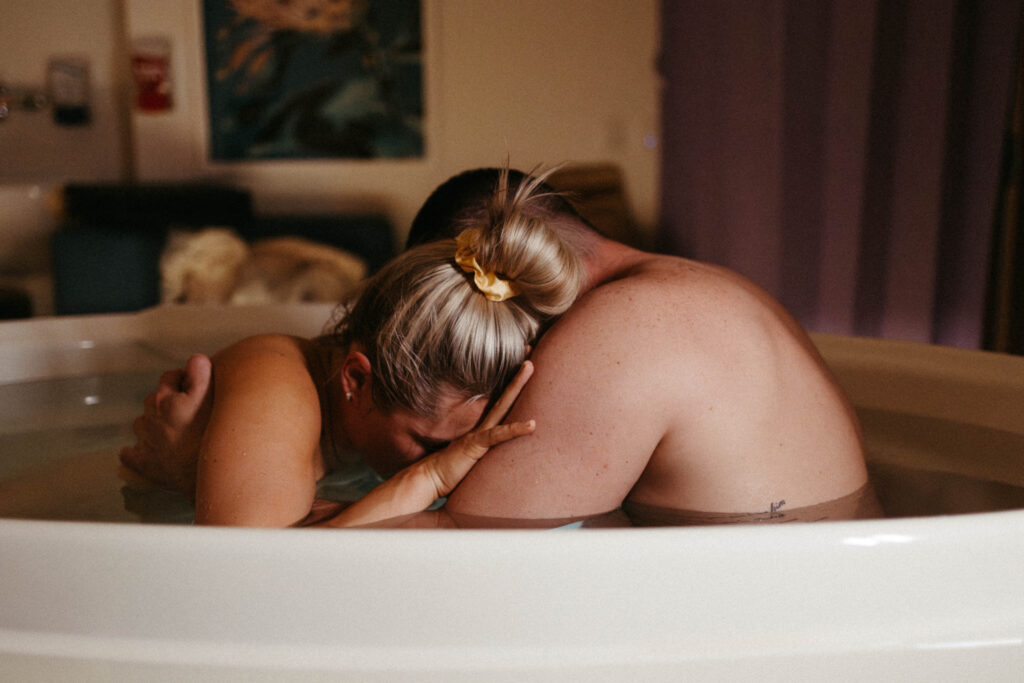
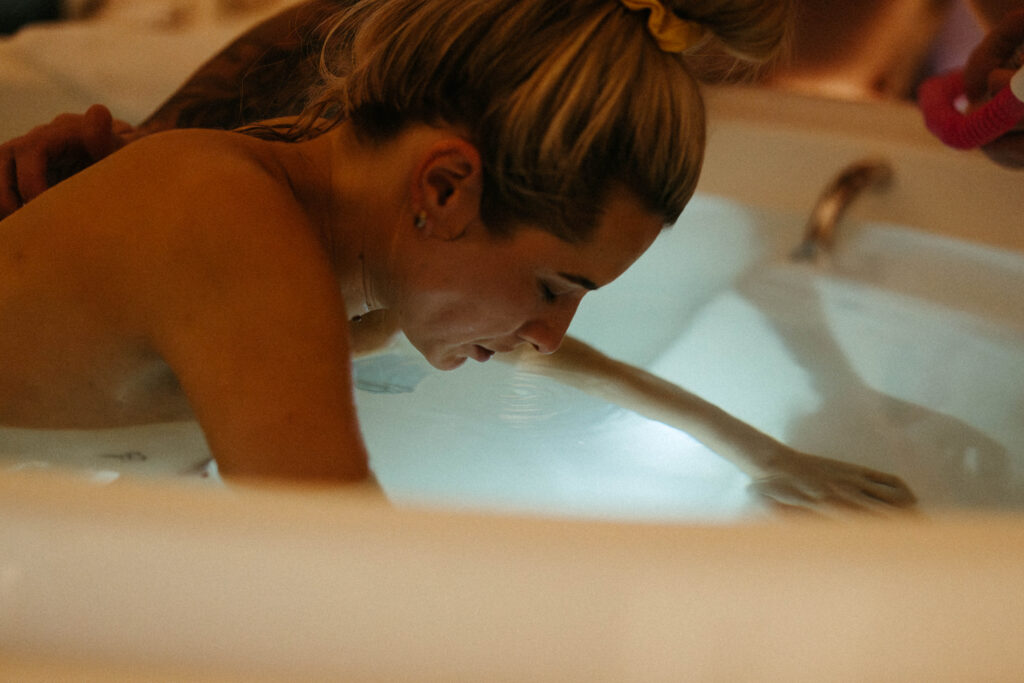
Birth is full of movement. The way a mother breathes through contractions. The rocking, pacing, and shifting positions. The way hands move instinctively to offer comfort. Videography captures this movement in real time.
These movements often carry emotional weight. Watching them later can bring families straight back into the experience, helping them remember how the birth unfolded moment by moment.
Sound as memory
One of the most powerful elements of birth videography is sound. The voices in the room, the encouragement, the quiet reassurance, the first cry of the baby.
Sound has a unique ability to trigger memory. Hearing a partner’s voice or a midwife’s calm guidance can be deeply emotional. These are elements that still images cannot convey, but film preserves beautifully.
Filling the gaps between images
Photography freezes individual moments. Videography captures the spaces in between. The waiting. The anticipation. The gradual shift from labour to meeting the baby.
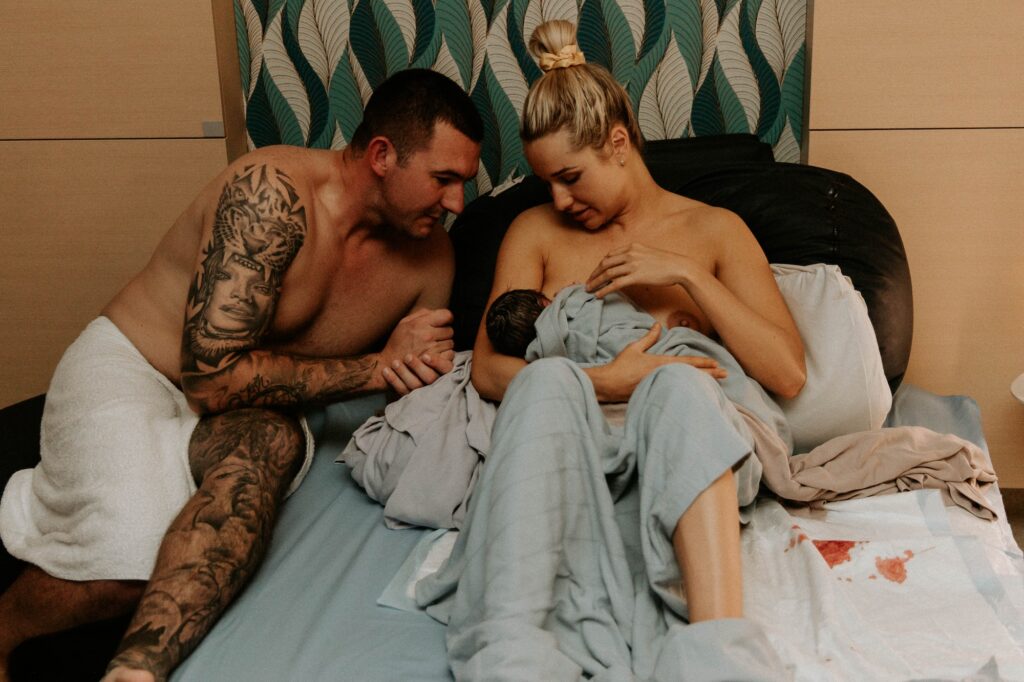
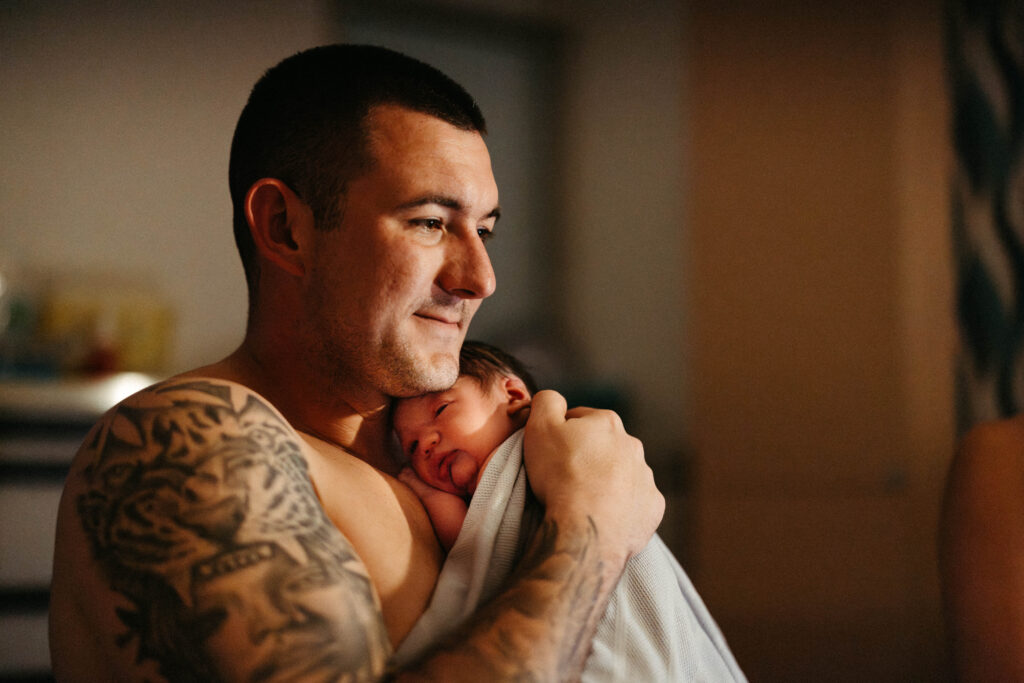
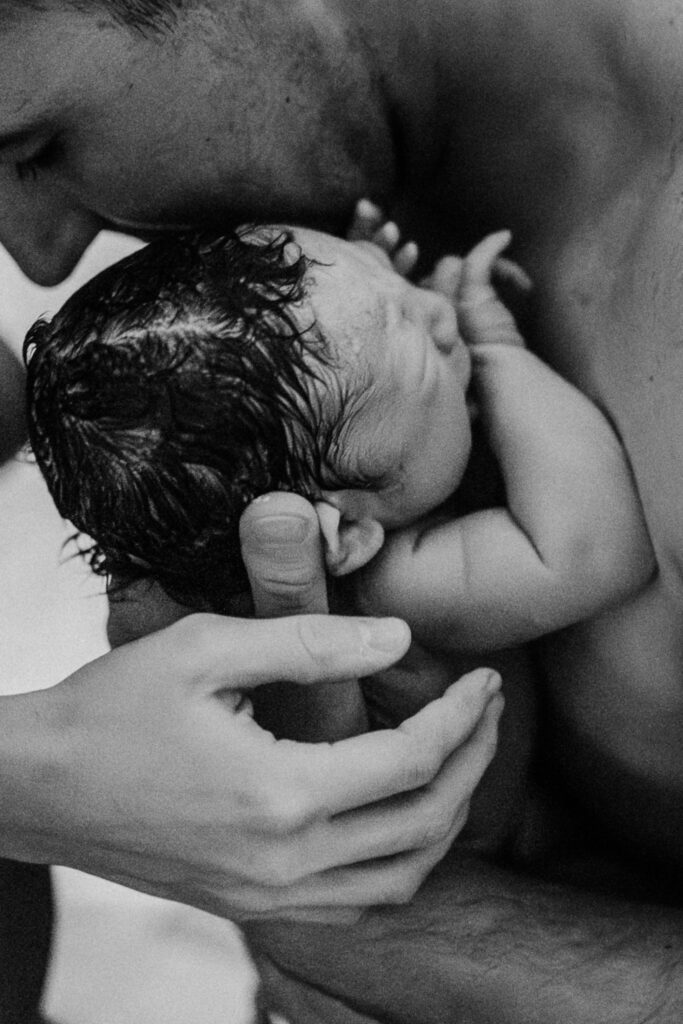
Together, photography and videography tell a fuller story. The still images offer moments to pause and reflect. The film offers flow and continuity.
Gentle storytelling, not performance
Documentary birth videography is quiet and respectful. It does not involve staging or directing. The goal is to observe rather than interfere.
An experienced birth videographer knows how to move discreetly, film in low light, and remain present without becoming a distraction. This allows the birth to unfold naturally while still being documented with care.

Supporting emotional processing
For many families, watching their birth film can be an emotional experience. It allows them to revisit moments they may not fully remember and see how events unfolded from the outside.
This can be especially meaningful for mothers processing their birth experience. Videography provides context and continuity that can support reflection and integration.


A lasting record for families
Birth films often become treasured family keepsakes. They are watched privately, shared selectively, and returned to over time. They capture not just what happened, but how it felt.
When combined with photography, birth videography offers a layered, meaningful way to remember one of life’s most significant moments.
Photography captures the stillness. Videography captures the movement. Together, they honour the full story of birth.

