
(Without Missing the Moments That Matter Most)
Key Takeaways
- You can document your own birth story. A phone, camera or tripod can capture meaningful memories, even if the images aren’t technically perfect.
- Birth photography is about more than the moment your baby arrives. The small interactions, emotions, support from your birth partner and quiet moments throughout labour often become some of the most treasured memories.
- Birth is unpredictable. Having a simple plan for documenting your birth can help, but it’s important to be realistic about how quickly things can change.
- Your birth partner may have other priorities during labour. Supporting you and experiencing the birth themselves can make it difficult for them to also photograph or film everything.
- Professional birth photography allows you and your partner to stay present. A professional birth photographer or videographer can focus entirely on documenting your birth story as it naturally unfolds.
- There is no single right way to document your birth. DIY birth photography can be incredibly meaningful, while some families prefer having an experienced professional take responsibility for preserving the story.
There are moments in life that divide everything into BEFORE and AFTER. The day you get married, the day you say goodbye to someone you love, and most importantly, the day you become a parent. These are the moments that shape us, the ones we carry with us for the rest of our lives.
Of all the stories I have been privileged to document over the years, birth stories have always been the most powerful. There is something incredibly humbling about being invited into such an intimate moment in a family’s life. No matter how many births I attend as a birth photographer and filmmaker, that moment never loses its magic.
One moment a family is waiting, anticipating and working towards meeting their baby. The next, everything changes. A baby takes their first breath, a mother reaches down to touch the child she has spent months growing, and a partner comes face to face with the reality that their family has changed forever. It is raw, emotional, unpredictable and unlike anything else I have ever had the privilege of witnessing or documenting.
Everything changes in an instant.
It’s no surprise that so many expectant parents want to remember it.
Over the past few years, I’ve noticed more and more families looking for ways to document their own births. For some, hiring a birth photographer or filmmaker simply isn’t within the budget. Others live in areas where professional birth photographers aren’t readily available. Some worry that a photographer may not arrive in time for a fast labour, or feel uncertain about having another person present during such an intimate and vulnerable experience. And then there are parents who simply hadn’t considered professional birth photography or filmmaking at all and assume they’ll hand a camera or phone to their partner when the time comes.
If that’s you, this article is for you.
Not because I want to convince you not to do it, but because I think every parent should understand what they’re taking on before they dive in. Whether you’re planning to hand a camera to your partner, set up a tripod in the corner of the room or simply capture a few moments on your phone, it helps to first understand what you’re hoping to preserve and why it matters.
Why Would You Choose To Document Your Own Birth?
The decision to document your own birth is rarely about photography. More often, it’s about wanting to remember. You know this day matters. You know you can never get it back and years from now you’ll want to revisit the story of how your baby came into the world. Or perhaps more importantly, one day they will want to know the story of the day they were born.
For some families, documenting the birth themselves is the most practical choice. For others, it’s the only option available. And for many, it simply feels like something their partner or friend can manage alongside labour.
The truth is, many families do successfully document their own births and create memories they treasure forever.
Before we talk about cameras, tripods, shot lists or camera settings, I think it’s worth talking about something far more important.
The memories themselves.
What You’ll Actually Want To Remember
When most parents think about documenting their birth, they naturally imagine the moment their baby arrives and the moments immediately afterwards. The first cuddle, the look on Mum’s face, and finally getting to see what baby actually looks like.
Those moments are incredibly important.
But after years of documenting births and watching families revisit their images months and years later, I’ve noticed something interesting. The photographs that often mean the most aren’t always the ones parents expected.
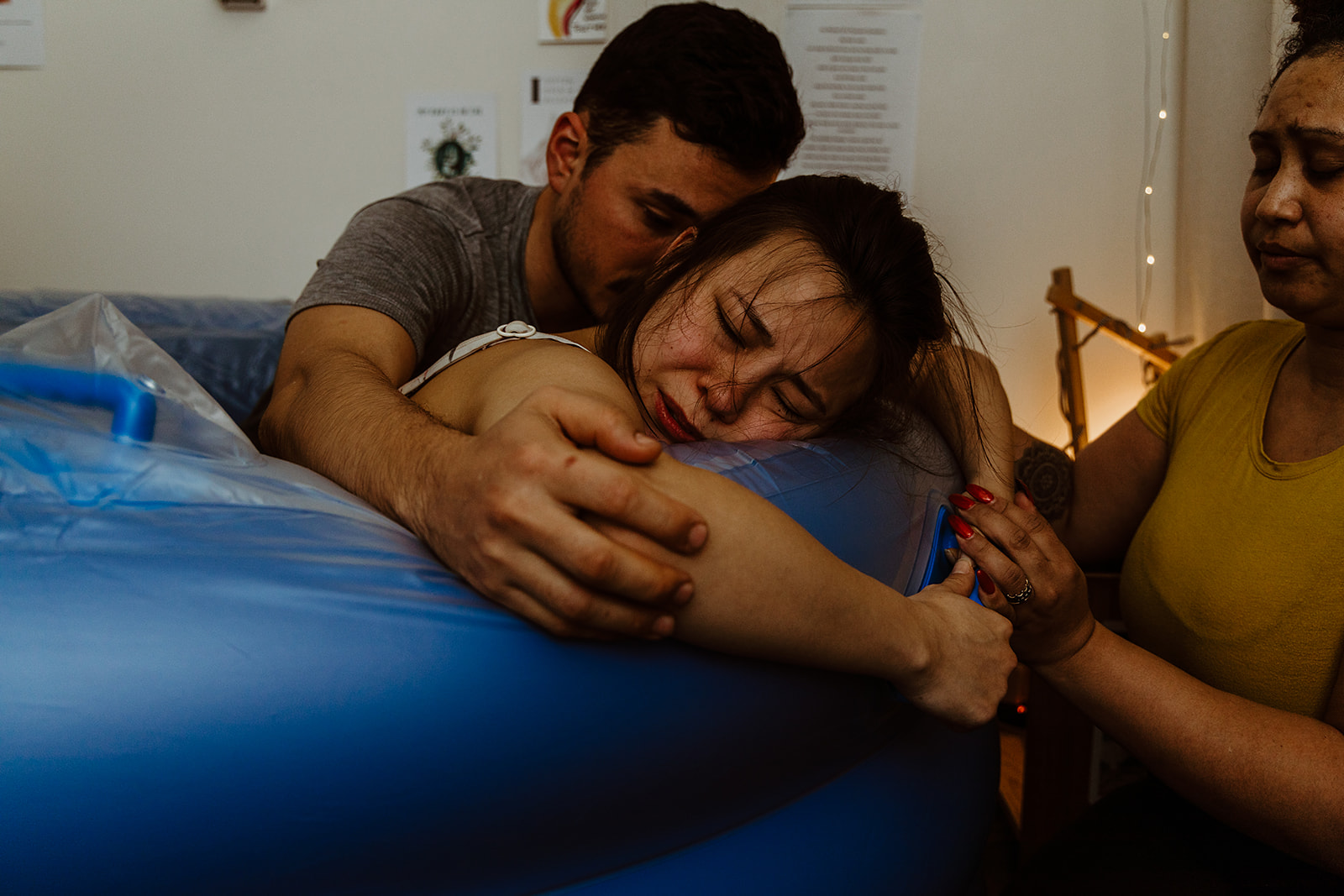
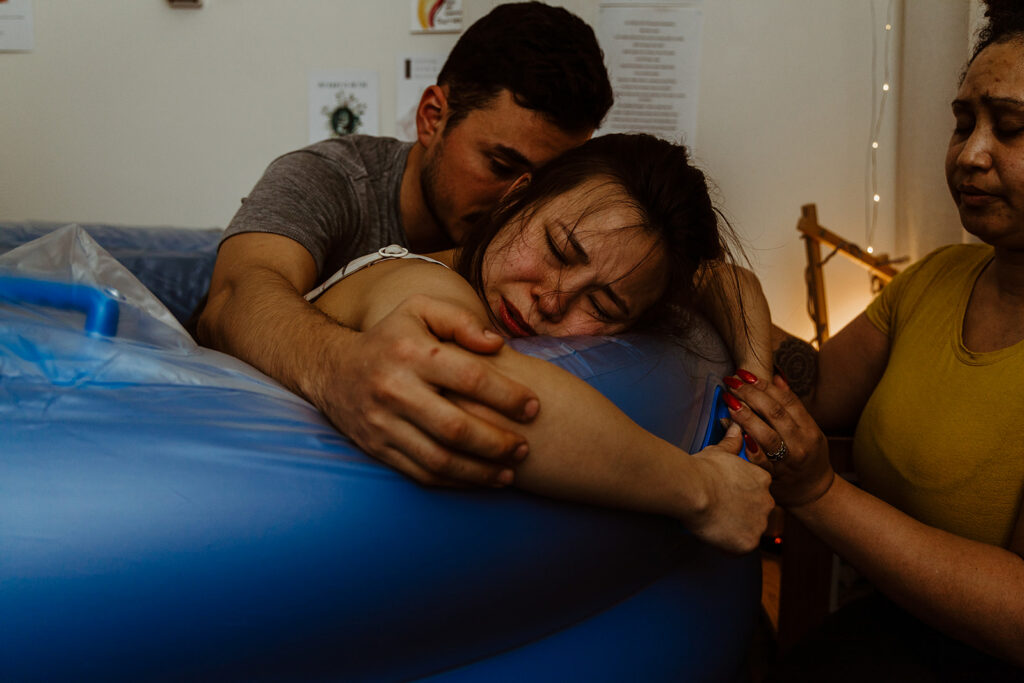
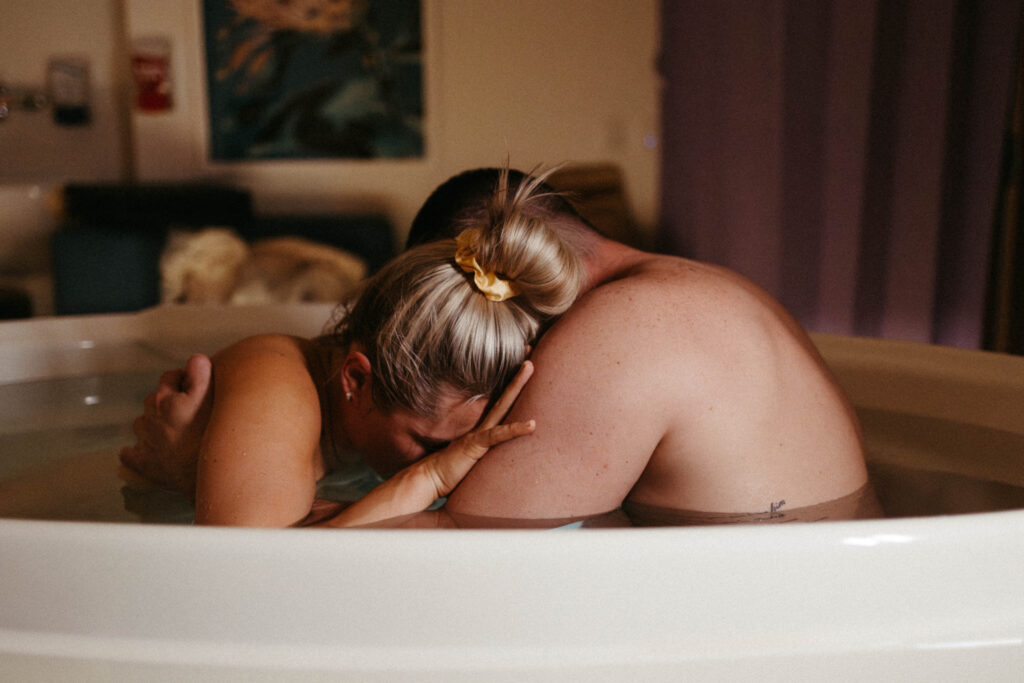
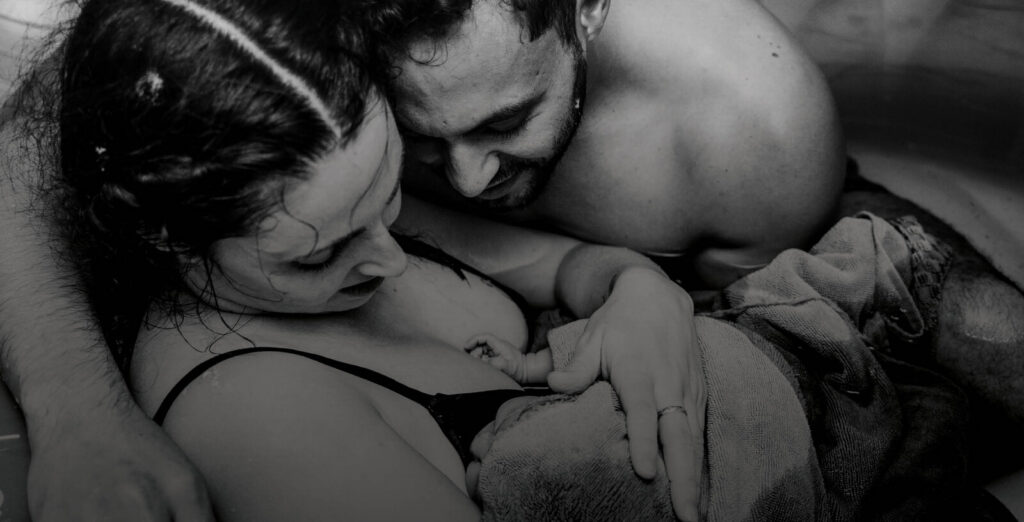
Of course they treasure the moment their baby was born, but they also find themselves drawn to the moments in between. The way Dad looked at Mum during a difficult contraction. The way she instinctively reached for his hand when she needed strength to get through another surge. The quiet reassurance exchanged across the room without a single word being spoken.
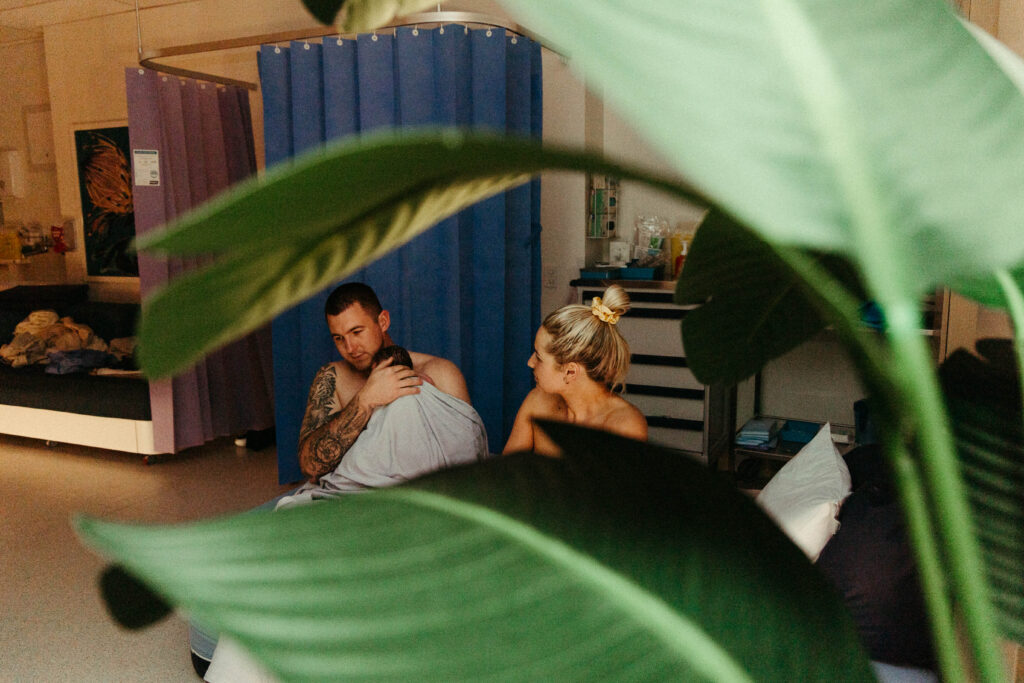
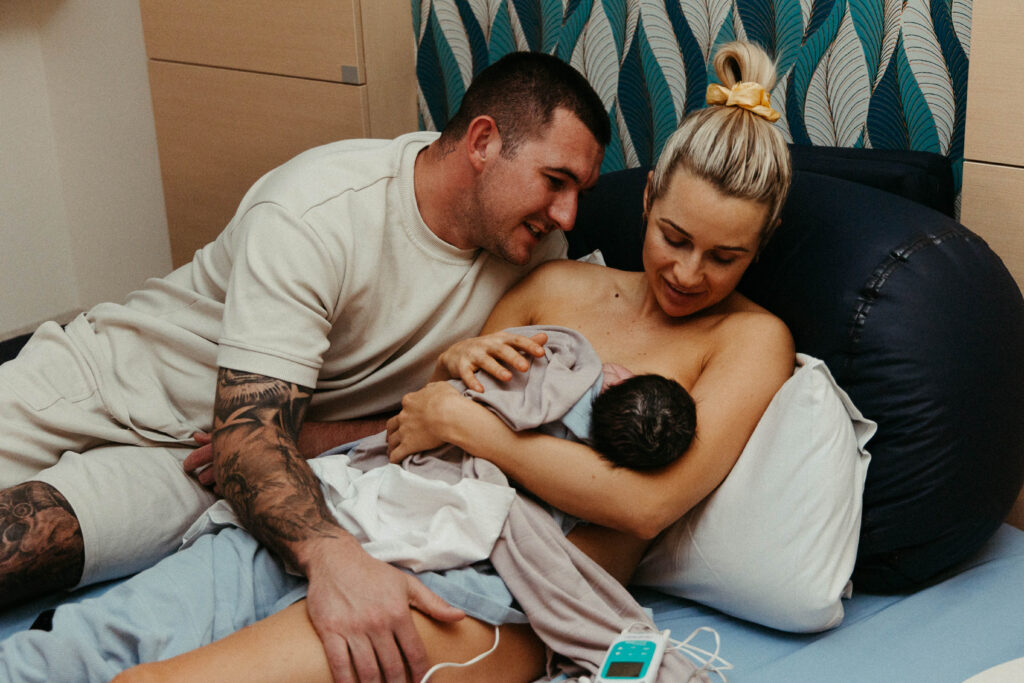
Sometimes it’s the look on both of their faces as they stare at this beautiful little baby they had hoped, dreamed and prayed for, sometimes for years. How present they were in that moment. How deeply they felt every emotion that came with finally meeting their child.
These are the moments that tell the story.
The birth itself may only take seconds, but the journey to that moment and beyond is filled with hundreds of tiny interactions, emotions and details that offer a far more precious gift than the photograph itself. The big moments stay with us because they are impossible to forget. It is the smaller moments that transport us back to how it all felt.
And once you understand that, you begin to realise that documenting a birth is about much more than simply being in the right place when baby arrives.
Birth Is Beautifully Unpredictable
Birth is not a photoshoot.
It does not happen on a schedule. No one pauses and waits while you grab the camera or move to a better angle. Labour and birth unfold in their own way and on their own timeline.
I know this personally.
One of my own children was born in the back of an ambulance less than twenty metres from my front door. It certainly wasn’t the carefully planned water birth I had imagined, and no amount of preparation or even outside help would have resulted in beautifully curated birth photographs that day.
Birth has a way of reminding us that we are not fully in control, and understanding that before labour begins is one of the most important things you can do. If you go into birth expecting perfection, you’ll likely be disappointed. If you go into birth hoping to preserve the story honestly as it unfolds, you’ll already be much closer to success.
This is true whether you’re documenting it yourself or hiring someone else to do it.
And before you say, “Well this is exactly why I don’t want to pay someone who might not even make it in time,” I completely understand that thinking. But I can promise you this: my daughter’s father was in no place to grab the camera or phone—which was literally in his hand—and document what was unfolding around him.
Because in that moment, documenting the story wasn’t his priority. Being part of it was.
And that’s often where the real challenge begins.
The Challenges Of Documenting Your Own Birth
This is where many families discover that documenting a birth is harder than it first appears.
It’s not necessarily because the photography itself is difficult. It’s because everyone in the room already has a role to play.
The labouring mother is doing the extraordinary work of bringing a baby into the world. The care providers are focused on keeping mother and baby safe. And partners? Partners are often busier than they ever imagined they would be.
Not only are they physically needed elsewhere timing contractions, applying counter pressure, refilling water bottles and helping Mum change positions, they are also trying to process the enormity of what is happening themselves. They are feeling the pull of being present in one of the most profound moments of their lives.
And honestly, that’s not a problem.
In many ways, it’s exactly where they should be.
Even if they do remember to pick up the camera, there are practical challenges. Birth spaces are often dark. Labour moves quickly. Moments happen unexpectedly. Cameras get forgotten. Batteries go flat. Tripods end up abandoned in the corner of the room as plans change.
None of these things mean you can’t document your own birth.
They simply mean it is worth going into the experience with realistic expectations and a plan that reflects what matters most to you.
Is DIY The Right Choice?
Only you can answer that question. In saying all this, DIY is still a perfectly valid option and some families do it exceptionally well.
A handful of imperfect photographs can become some of the most treasured images they ever own. The technical quality matters far less than the memories attached to them. If documenting your own birth is the right choice for your family, I genuinely encourage you to do it.
Take the photos.
Take the videos.
Capture what you can.
Even if they’re blurry. Even if they only capture half the story. Even if they’re taken on a Polaroid camera or a hazy mobile phone camera. Something is almost always better than nothing. Because some memories preserved imperfectly are far more valuable than memories not preserved at all.
Why Some Families Choose A Professional
For some families, everything I’ve written above confirms that documenting their own birth is absolutely the right decision.
For others, it helps them realise that what they value most is being fully present during the experience. They want their partner focused on supporting them, present in the moment and included in the story themselves.
They want someone whose sole responsibility is preserving the memories. Someone who understands how to work quietly within the birth space, in low light, anticipate moments before they happen and document the experience without interrupting it.
Not because they can’t do it themselves. But because they don’t want the responsibility of doing it themselves. And that is a perfectly valid choice too.


What Should You Actually Photograph?
If you’ve read all of this and still feel documenting your own birth is the right choice for your family, then wonderful.
The next step isn’t worrying about camera settings or expensive equipment. It’s understanding which moments matter most and where to focus your attention when things become busy, emotional and unpredictable. Because the moments parents treasure most aren’t always the obvious ones.
In my next article, I’ll walk you through 10 birth moments parents often tell me they are most grateful to have photographed, including several they never realised would become so meaningful until years later.

